

Temecula is Fighting
Fifty-seven years in, and still fighting for respect. The starting-over region that had to invent itself from nothing and quietly got fifty years ahead of where global wine is headed.

257 Years is a nine-part series on the history of wine in Southern California, from the Mission grape’s arrival in San Diego in 1769 to the region’s revival today. This is Part Six. Earlier posts are linked at the bottom.
If your email truncates, the full post is on the website and in the app.

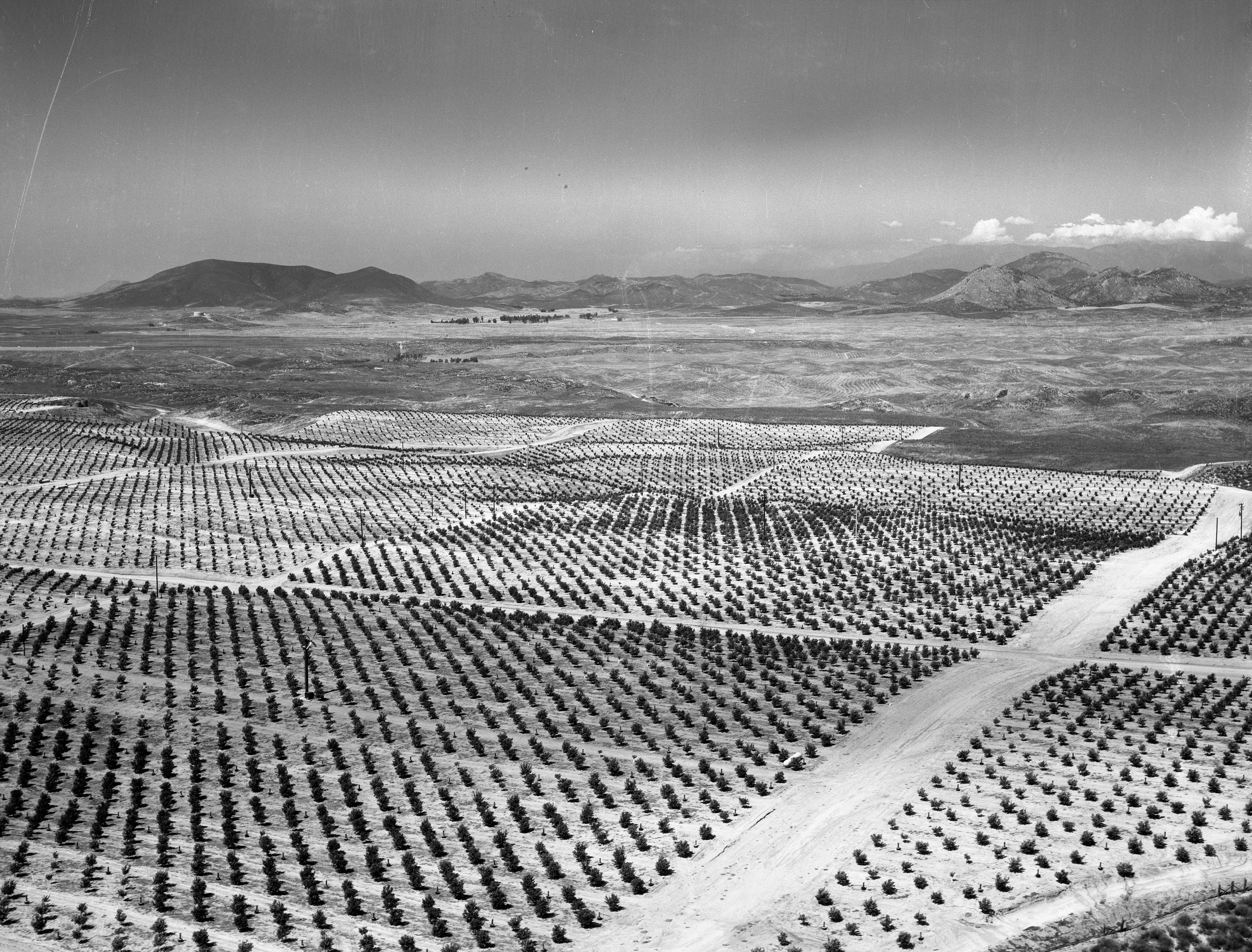

I don’t remember much from the first time. I was seven or eight years old, in the back seat of my parents’ car, coming home from a Lake Elsinore campout. My dad decided to detour down Rancho California Road on the way back to Huntington Beach. My mom remembers it as primitive. A vegetable-stand-like structure. A few picnic tables. Two wineries, maybe. And a line of people waiting for glasses of almond sparkling wine.
That was early 1970s Temecula. Wine country in its infancy. A stop worth taking on the way home from something else.
By the time I came back as an adult, sometime in the late 1990s or early 2000s, with my sisters and my mom’s friends visiting from Wisconsin, we tasted at Wilson Creek. The ladies liked the almond wine. My sisters and I did not. We leaned into a red, whatever it was, just to have something to drink. Wilson Creek was still the first stop along Rancho California Road for a bus of Midwestern tourists. It still is.
That’s Temecula’s problem. And Temecula’s fight.
Before the Wine
The Luiseño people have been in this valley for over eleven hundred years. Their creation site — ‘Éxva Teméeku, “the place of the sun” — is here. The valley’s modern name comes from that word.
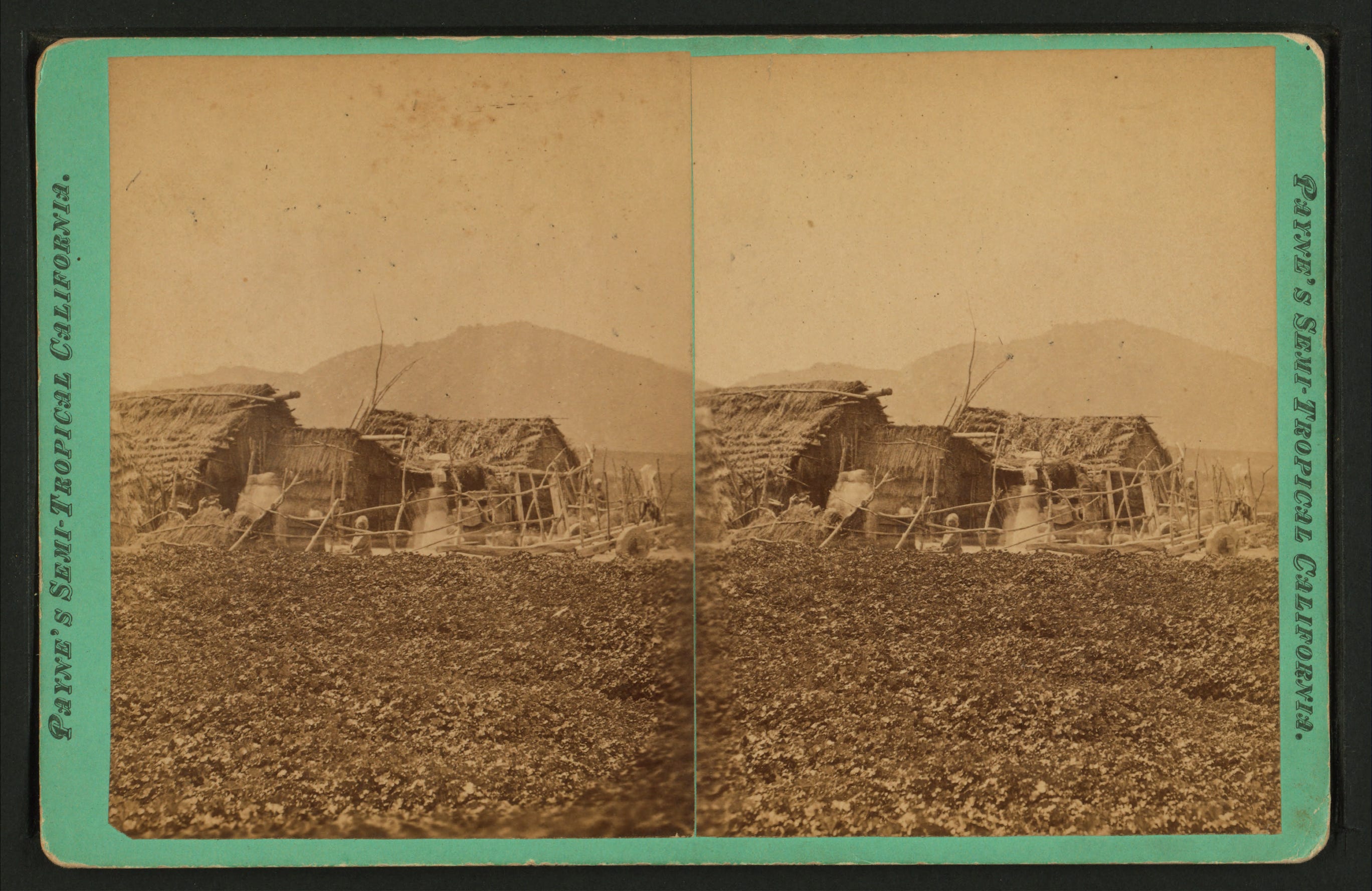
Franciscan padre Juan Norberto de Santiago became the first recorded European to enter the valley in 1797. Mexican independence in 1821 brought land grants; Rancho Little Temecula was granted to a Luiseño leader, Pablo Apis, in 1845. In 1852, the Treaty of Temecula was signed between the United States and the Luiseño, Kah-wé-a, and Cauhilla nations. It set aside land, in the treaty’s own language, “forever” for the sole use of these nations.
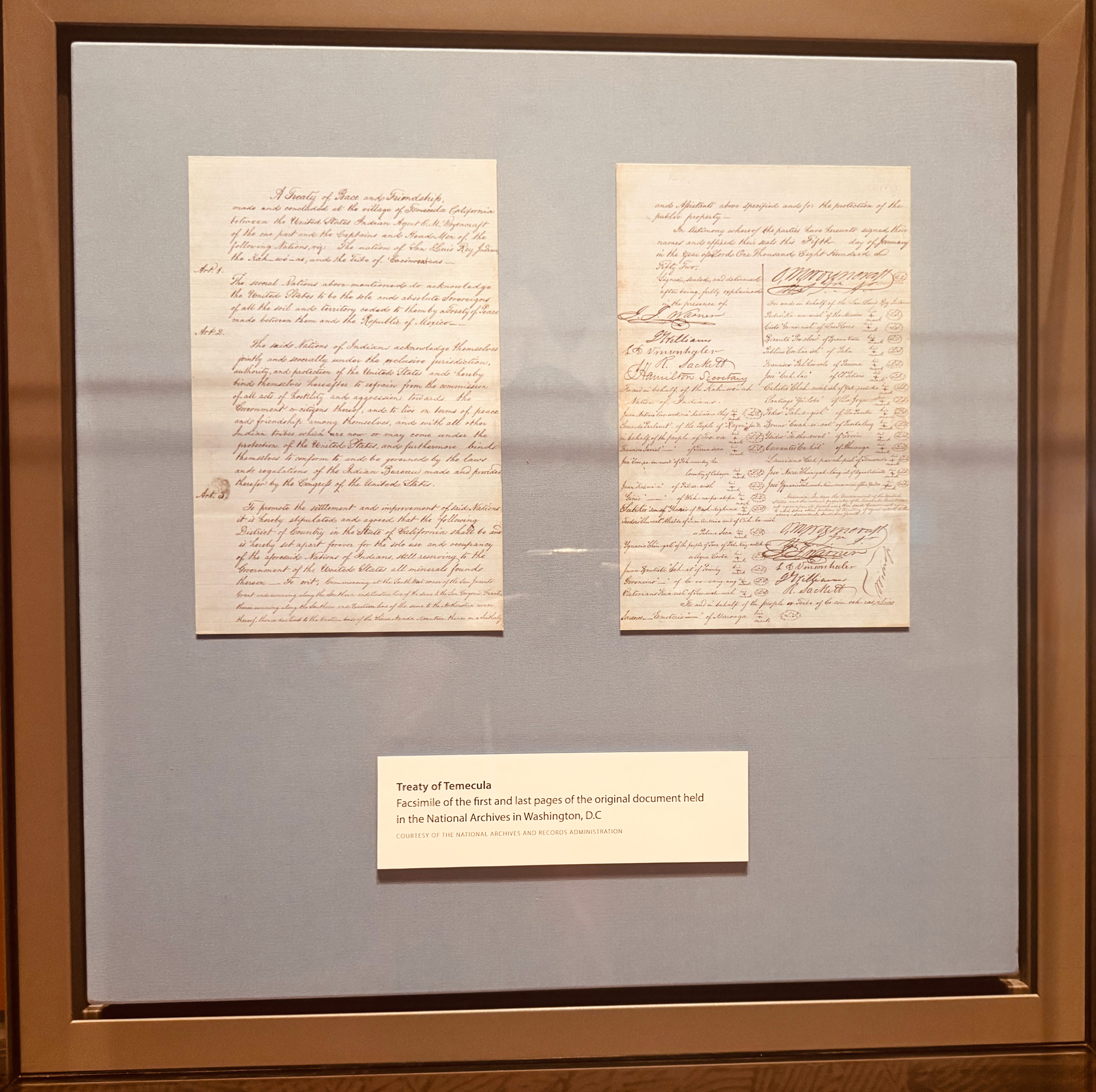
The Treaty was never ratified by the U.S. Senate. It was one of eighteen California treaties suppressed under executive order at the request of California interests who wanted the land. The suppression was not disclosed until 1905, by which time the promised reservations had never been created. Many Luiseño people were displaced to what became the Pechanga Indian Reservation. The Treaty of Temecula exists today as a facsimile in the National Archives — signed, sealed, and buried.
In 1858, Temecula became an official stop on the Butterfield Overland Stage route. For a generation, it was a place where you paused for water and horses on the way to somewhere else. Then in 1904, Walter Vail assembled 87,500 acres into what he called the Vail Ranch — a cattle operation that dominated the local economy for the next sixty years.
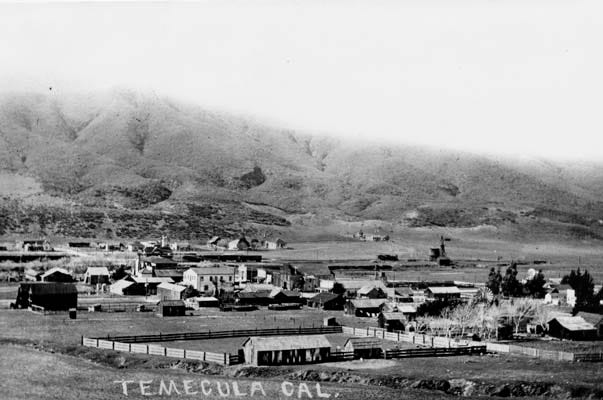
In 1964, the Vail family sold their holdings to developers. The Kaiser Aluminum & Chemical Corporation, in partnership with Macco Realty, purchased the ranch and began planning a master-planned agricultural community they would call Rancho California. That name, Rancho California Road, still the spine of the wine region today — is not accidental. It refers to a specific 1960s real estate development that reimagined a cattle ranch as an agricultural experiment.
There was no wine tradition in Temecula to recover. No pre-Prohibition legacy. No families holding on across generations. When the modern wine industry began here, it began from nothing. A cattle ranch, a corporation, and an idea.
The Founders
In 1968, Vincenzo Cilurzo planted the first commercial vineyard in what would become Temecula wine country. He was followed within a few years by Ely Callaway, who bought land in 1969 and planted vineyards in 1971. John Poole came next. Three men, three different visions, one new region being invented in real time.
They were working with almost no local knowledge. Nobody had grown wine grapes commercially at this elevation, in this climate, in this soil, in modern memory. The Cucamonga Valley to the northwest had once been the largest wine region in America, but by 1968 it was mostly gone — buried by freeways and warehouses (Part Four). Los Angeles, once the wine capital of California, had been erased by the postwar population boom (Parts Three and Five). Napa was rebuilding after Prohibition, still nine years from the 1976 Judgment of Paris that would put California wine back on the world map.
Temecula wasn’t looking to any of them. It was starting fresh. And what the founders discovered, and would take another fifty years to fully understand, was that this valley had a climate closer to the warm inland regions of Italy and Spain than to Bordeaux, Burgundy, or the cool coastal California that would come to define American fine wine.
That mismatch, between what Temecula’s climate actually suited and what the American wine market wanted, would shape everything that came next.
Sweet Nancy and the Perception Problem
Ely Callaway’s early Temecula fame came from a wine called Sweet Nancy, an almond-scented sweet white that packed the tasting rooms in the 1970s. Callaway sold the winery in 1981, before founding the golf company that would become his second act. But the tourism model he established, sweet, accessible, novelty-forward, became Temecula’s calling card for two generations.
Wilson Creek opened in 1996 and doubled down. Their Almond Champagne was, and is, the winery’s most famous product. Tour buses parked. Lines formed. My mom’s friends from Wisconsin loved it. My sisters and I choked down the reds trying to find something we could stand.
For a certain generation of visitors, Midwesterners, Easterners, people who found dry table wine intimidating, Temecula’s sweet-white era was accessible in ways that Napa and Sonoma weren’t. San Diego tourists added a detour. Family camping trips from the Southern California coast added an afternoon. The wineries stayed profitable. The tourism model worked.
But it also became the region’s identity in the minds of everyone else in the wine world. Temecula? Isn’t that where they make the almond wine?
That question, asked by wine professionals for forty years, is why Temecula is still fighting.
Pierce’s Disease Returns
Between 1997 and 2000, Pierce’s disease, the same bacterial infection carried by sharpshooter insects that had killed 25,000 acres in Anaheim in the 1880s (Part Three), returned in force. This time it hit Temecula.
The glassy-winged sharpshooter, a larger and more mobile vector than the historical species, arrived in Southern California and began spreading the bacteria at unprecedented rates. In Temecula, thousands of acres of vineyards died in three years. Some estimates put the loss at 40 percent of the region’s vine acreage. Wineries that had spent decades establishing themselves watched their vineyards go brown in a single growing season.
Federal and state agricultural responses were rapid, driven in part by fears that the disease would spread to Napa. Biological controls, quarantine zones, aggressive vector management, and replanted rootstock eventually contained the outbreak. But Temecula had lost a generation of vine maturity. The vineyards that would produce the region’s best wine in the 2010s and 2020s had to be planted over again, from the ground up, in the early 2000s.
The same disease. Two Southern California wine regions. A hundred and twelve years apart. Both times, the region survived. Both times, the recovery took decades.
What They’re Actually Making
If you tasted Temecula wine in 2026, really tasted it, not the almond sparkling wine on the tour bus route, you would find a very different region than the one my mom remembers.
Falkner Winery has become one of Temecula’s most consistent premium producers. Their 2022 Amante Red Blend, a Sangiovese-based Super Tuscan-style wine, scored 91 points from Wine Enthusiast. Their 2022 Meritage, 91. Their 2023 Viognier, 91. Their 2022 Syrah earned 92, plus another 92-point recommendation from Wine Enthusiast California reviewer Matt Kettman in 2025. Five wines, four varietal categories, all rated 91 or higher.
Robert Renzoni Vineyards has become one of the region’s most decorated producers. Their 2022 Federico Red Blend earned 94 points from Wine Enthusiast. Their 2023 Syrah, 93. Their 2022 Vecchio Frate Lagrein, 93. Their 2022 Sonata Red Blend, 93. Their 2021 Fiore di Fano Red, 93. Their 2023 Blank di Sangiovese, 93. That’s six wines at 93 or higher, plus additional wines at 91-92 across their Italian portfolio. The pattern is consistent enough that it stops being an accident.
Lorenzi Estate’s 2020 Hillside Vineyard Estate Reserve Cabernet Sauvignon earned 94 points from Wine Enthusiast in October 2025, a release less than a year old at this writing. Their 2020 Estate Reserve Syrah, 93. Their 2020 French Twist Reserve Bordeaux-Style Red, 93. Their 2019 Reserve Cabernet Sauvignon, 93. Their 2018 Phantom Reserve Red, 92. Multiple 93-point wines across varietals, plus a 94-point Cabernet in the last twelve months, and the wine world hasn’t decided to notice.
Palumbo Family Vineyards has earned 91-point ratings on their 2017 Catfish Vineyard Merlot and their 2017 Due Rossi Red. As of this writing, the property is listed for sale: a twelve-acre estate with tasting room, residence, and full inventory, asking between $5.9 and $6.95 million. That a producer of Palumbo’s caliber is on the market is its own comment on how hard the fight has become.
Doffo Vineyards, run by an Argentine family with a serious motorcycle collection displayed at the winery, has earned 91 points from Wine Enthusiast on both their 2018 Private Reserve Cabernet Sauvignon and their 2017 Syrah. Their 2019 Concrete Fermented Viognier earned 93. Their 2018 Mistura Red, 91.
Wiens Cellars has multiple 91-point wines — 2021 and 2022 Fiano (an obscure Southern Italian white grape almost nobody in California plants), 2021 Sueno Sereno Red, and 2024 Gewurztraminer.
Raul Ramirez Bodegas y Viñedos focuses on Spanish varieties, a natural fit for Temecula’s climate. Their 2020 Don Porfirio Gran Reserva Tempranillo earned 92 points from Wine Enthusiast. A Spanish variety at Spanish-grade quality, grown in Southern California, and virtually nobody in wine media has commented on it.
Then there are the tourism operations, the ones with the buses and the resort-style tasting rooms and the wedding venues, that also happen to make serious wine when nobody is looking.
Leoness Cellars markets itself around fifty years of family farming and winemaker Tim Kramer’s estate-focused program. In practice, it operates at massive scale — resort, restaurants, bus tourism, event venue. But their 2021 Signature Series Syrah earned 94 points from Wine Enthusiast. A resort-scale Temecula operation making a 94-point Syrah, and wine media barely covered it.
Wilson Creek, the almond wine winery, quietly makes serious wines behind the tasting counter. Their 2016 Winemaker’s Select Cinsault, a single-varietal Cinsault, which is unusual anywhere in the world, earned 92 points. Their 2022 Cammi Ridge Vineyard Family Reserve Syrah, 92. Their 2023 Rose of Cinsault, 91.
And Callaway, whose founding era is long past and whose tasting room now feels transactional, produced a 2022 Cabernet Sauvignon that earned 92 points at a $13 price point. It's genuinely one of the best value wines in California. They don't mention much. They just pour.
Two tiers of Temecula wine. The serious producers making 91-94 point wines that outsiders don’t know exist. And the tourism operations, the ones the wine world dismisses on sight, that are ALSO making 92-94 point wines. If a customer walked into any of these places and asked to try what wasn’t currently open, they might get a blank look from the pourer and a bottle from the back room that rated higher than most Temecula wines get credit for making.
The Argument
Look at what varieties keep appearing in the ratings.
Sangiovese. Federico Red Blend. Barbera. Il Viaggio. Fiano. Due Rossi. Amante. Blank di Sangiovese. Vecchio Frate Lagrein. Sonata. Fiore di Fano. That’s the Italian portfolio.
Syrah, Viognier, GSM, Cinsault. Leoness’s Syrah at 94. Falkner’s Syrah at 92. Renzoni’s Syrah at 93. Doffo’s Viognier at 93. Wilson Creek’s Cinsault at 92. That’s the Rhône portfolio.
Tempranillo at 92 from Ramirez. That’s the Iberian.
Cabernet Sauvignon, Merlot, Meritage, Cabernet Franc. Lorenzi’s 94-point Hillside Cabernet. Callaway’s 92-point value Cabernet. Palumbo’s 91-point Merlot. That’s the Bordeaux portfolio.
All four categories are producing good wines in Temecula. But the pattern of consistent 90-plus scores across producers follows the warm-Mediterranean varieties — Italian, Rhône, and Iberian. Europa Village is planting Primitivo. Multiple estates are experimenting with Albariño and other Spanish varieties. Ramirez’s Tempranillo is proof that Iberian varieties can produce 92-point wines in Temecula’s climate.
This pattern isn’t a Temecula story. It’s a global wine story, and Temecula has been living it for fifty years without receiving credit.
In 2021, the Bordeaux appellation authorities did something unprecedented. They authorized new varieties for planting in Bordeaux, including Touriga Nacional (Portuguese), Alvarinho (Portuguese and Spanish), and the French hybrids Marselan and Arinarnoa, specifically because rising temperatures are stressing the traditional Cabernet, Merlot, and Sauvignon vineyards. Bordeaux is now legally permitted to plant heat-adapted varieties because the region has become too warm for its historic ones.
In Napa Valley, Larkmead Vineyards and VIADER are actively experimenting with Touriga Nacional, Aglianico, and Ribolla Gialla. These are not obscure estates. Larkmead is one of Napa’s historic properties. Their experimentation signals where the industry is moving.
In Sonoma, DaVero Farms & Winery has been producing estate-grown Sagrantino, Fiano, and Vermentino for years. Other Sonoma producers are planting Albariño.
Meanwhile, in Temecula, wineries have been planting Sangiovese, Syrah, Viognier, Barbera, Fiano, Cinsault, Tempranillo, and Primitivo since the 1970s and 1980s. Not because they were ahead of the industry. Because they had no other choice. The climate demanded it.
Temecula isn’t beating Napa. Napa has the prestige, land values, marketing power, and R&D budgets. What Temecula has is fifty years of practical experience with the varieties Napa is now beginning to experiment with. As climate change forces every California wine region to reconsider what actually grows well in the ground, the answer is already planted in Temecula. If anyone wants to look.
What Temecula Is Now
Temecula Valley became an official American Viticultural Area in 1984. It’s now part of a broader Southern California AVA landscape that includes Cucamonga Valley (1995), Malibu Coast (2014), Yucaipa Valley (2024), Ramona Valley and San Pasqual Valley in San Diego County, and Antelope Valley, Sierra Pelona Valley, and Leona Valley in northern Los Angeles County. Together, these AVAs form a network of Southern California wine regions that most of the American wine world still thinks of as an afterthought.
The Temecula wineries fighting hardest today — Falkner, Renzoni, Lorenzi, Palumbo, Doffo, Wiens, plus the tourism operations quietly making award-winning wines — are producing wine that earns Napa-adjacent scores from Napa-covering critics, using varieties that Bordeaux itself is now planting. And the perception hasn’t caught up.
Ponte Winery is fun, hospitality-driven, with fairly good wine, the kind of place where you learn to ask for what they aren’t currently pouring. Europa Village is a beast of a hospitality operation with big-bus Midwest crowds and middle-of-the-road wines out front, but they’re planting Italian and Spanish varieties in every extra inch of ground and importing serious wines from around the world. The smart winemaking is quiet, behind the scenes, at every scale.
The famous wines are not the good wines. The good wines are the ones you have to ask for.

If you’ve tasted Temecula wine, really tasted it, not the almond sparkling wine on the tour bus route, which producer surprised you? Which winery pulled a bottle out from behind the counter that made you stop and say, wait, this is Temecula? The Almond Champagne isn’t the only story. Tell me your version.
If this landed, tap the heart. It helps more people find the table.
— Jennifer

257 Years is a series on the history of wine in Southern California.
Part One introduced the family thread that started it all. Part Two traced the Mission grape from Spain to San Diego in 1769. Part Three traced Los Angeles as the original wine capital. Part Four traced the freeway era in Cucamonga. Part Five traced the long silence of Prohibition and the postwar erasure of Los Angeles wine. This is Part Six
Part Seven, Baja is Coming, is next: the Valle de Guadalupe and the wine country building itself just across the border.
From the series:
Part One → 257 Years: How Southern California Lost and Found Its Wine
Part Two → Before Napa, There Was a Boat Leaving Spain
Part Three → Before Napa, Los Angeles Was the Wine Capital
Part Four → What the Freeway Buried: The Pride of Cucamonga
Part Five → The Long Silence: Thirteen Dry Years, and the Thirty-Two That Followed

Jennifer Ann Blair writes about what’s worth remembering — a recipe, a person, a wine region that remembers.
This to me is a valuable history lesson. It talks about the wine also but about the people and the land of this important area of California
I didn’t know this about this California area But sounds like a wonderful history about our state and we who live here have received a great history lesson
Thank you Jen
Every visit to Temecula has a story. What's yours?