


257 Years is a nine-part series on the history of wine in Southern California, from the Mission grape’s arrival in San Diego in 1769 to the region’s revival today. This is Part Seven. Earlier posts are linked at the bottom.
If your email truncates, the full post is on the website and in the app.

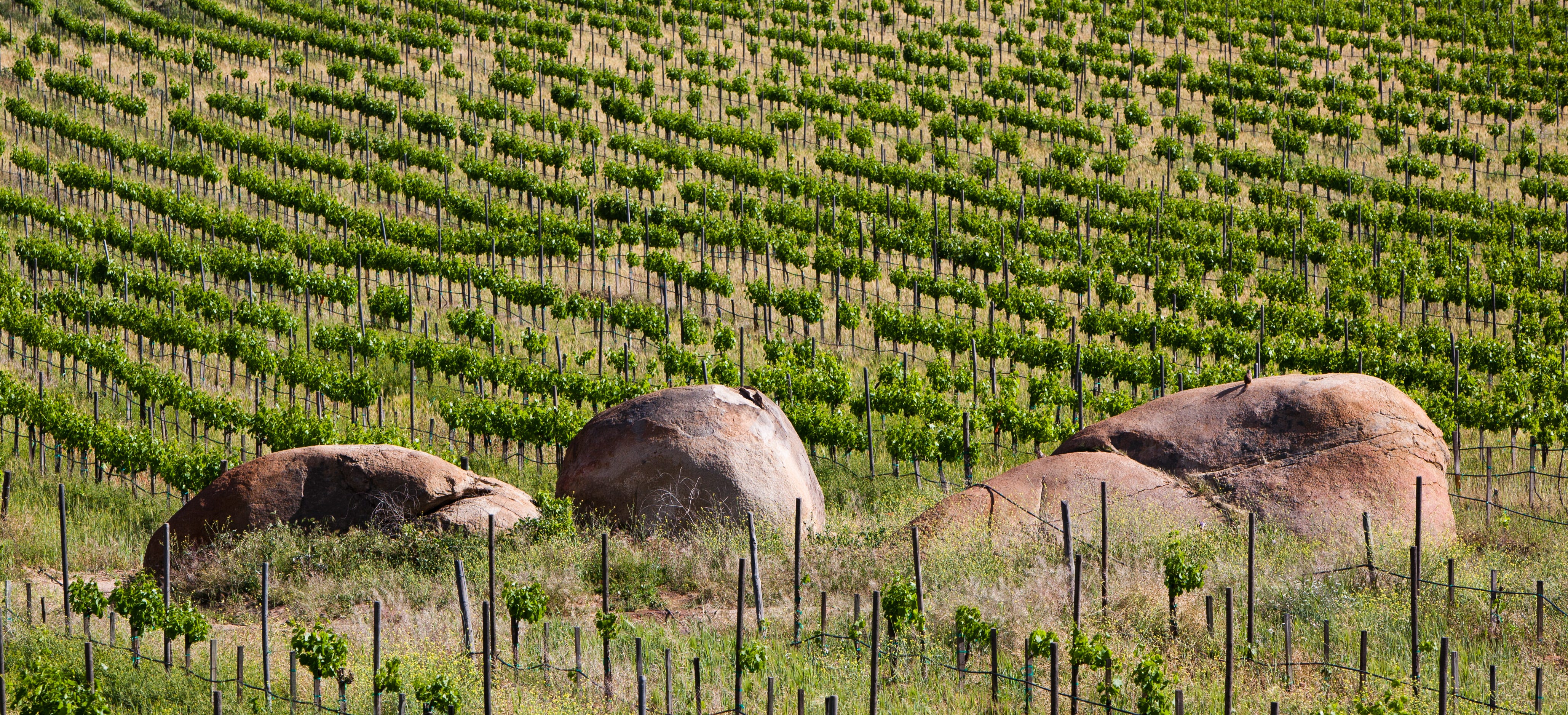

I’ve never been to Valle de Guadalupe. It’s on my list. Most wine writers who work in Southern California have said the same thing for a decade now, and most of us haven’t gone. What I’ve done instead is watch it from the desert while the wine industry looked north.
For twenty years, American wine media has covered Napa and Sonoma the way it covered them in the 1990s, with endless features, vintage reports, and assumptions about which regions matter. Meanwhile, an entire wine culture emerged just south of the border, built by winemakers trained in Bordeaux and Australia and Argentina, championed by chefs with Michelin stars, and rooted in a tradition older than any winery in the United States.
Most Americans still don’t know Valle de Guadalupe exists.
That’s the story of Part Seven.
The Original American Wine Region
The oldest continuously operating winery in the Americas is Casa Madero. Founded in 1597 in Parras de la Fuente. In the Mexican state of Coahuila. That’s not Baja. Coahuila is inland, near Monterrey, but it’s the historical anchor for everything that came after. Casa Madero’s original vines were brought by Spanish missionaries carrying the Mission grape, the same variety that had crossed from Spain to the Canary Islands to Mexico in the sixteenth century.
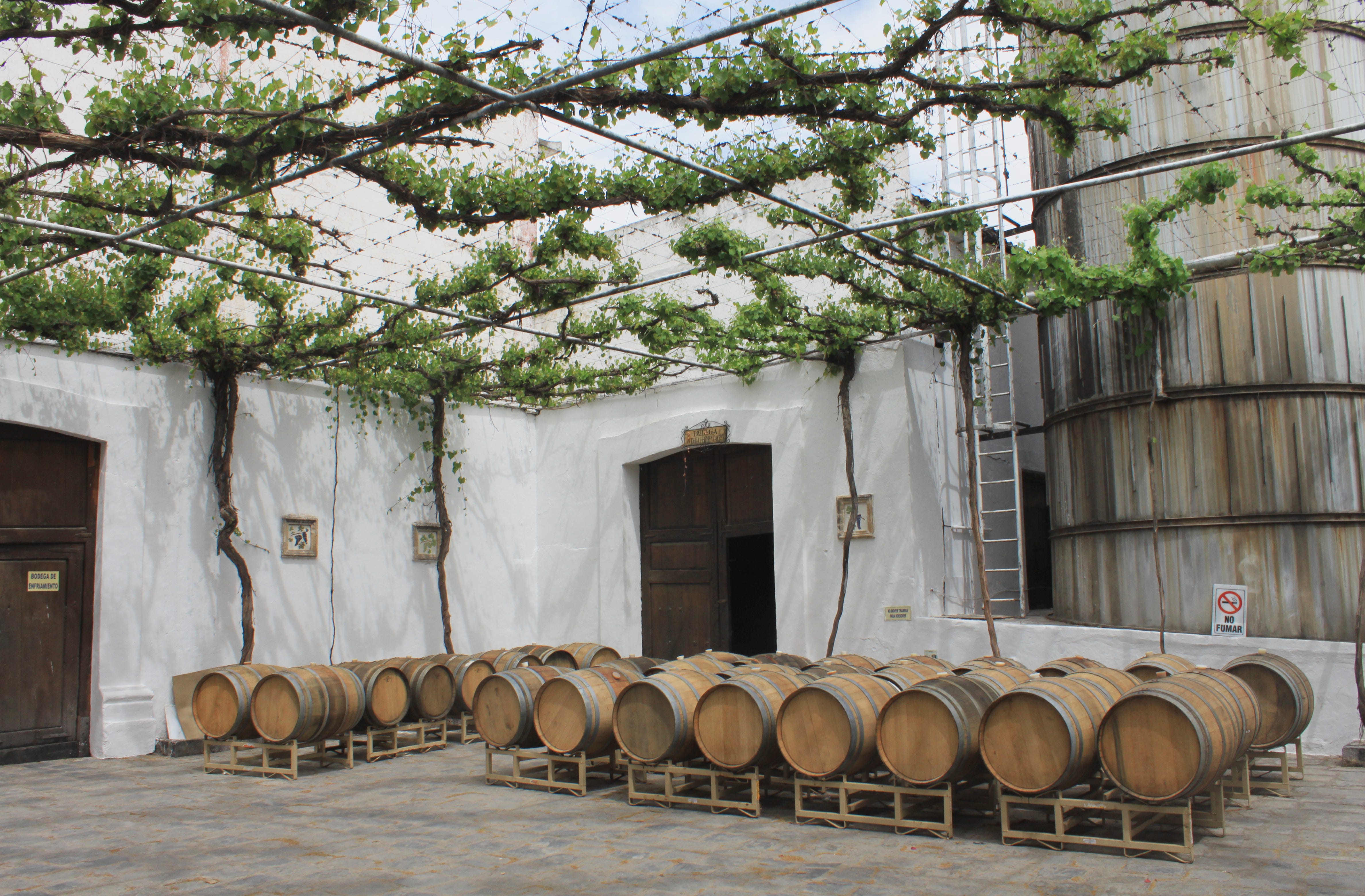
By the time Junípero Serra planted Mission grape cuttings in San Diego in 1769, the moment I traced in Part Two as the beginning of California wine, Casa Madero had been operating for one hundred and seventy-two years. Mexican wine wasn’t just older than California wine. It was older than the United States.
In 1701, the Jesuit priest Juan Ugarte planted the first vines in Baja California. The Dominicans followed later in the eighteenth century, establishing mission vineyards along the Pacific coast. Baja’s wine tradition has now been continuous, in one form or another, for three hundred and twenty-four years.
Most of that history was interrupted. In 1857, Mexico’s War of Reform overthrew the Catholic Church’s institutional power, and the missionary wineries were abandoned along with the missions themselves. Phylloxera hit the region later, as it hit every wine region in the world. The Mexican Revolution disrupted what remained. For most of the nineteenth century and much of the twentieth, Mexican wine was a story about interruption, not continuity.
The modern commercial era of Baja wine began in 1888, when Italian immigrants founded Bodegas de Santo Tomás in Ensenada, on the site of an abandoned Dominican mission. Santo Tomás is Baja’s oldest continuously operating commercial winery. It bridges the mission era and everything that came after.
The Molokans and the Long Quiet
In 1904, an unexpected group of settlers arrived in Valle de Guadalupe. Russian Molokans, a Christian pacifist sect fleeing religious persecution in the Russian Empire. They purchased land from the Mexican government and established a colony they called Colonia Rusa. They were primarily farmers, but they replanted vines and dedicated a portion of their land to producing wine. This was the first meaningful grape cultivation in the valley since the mission era.
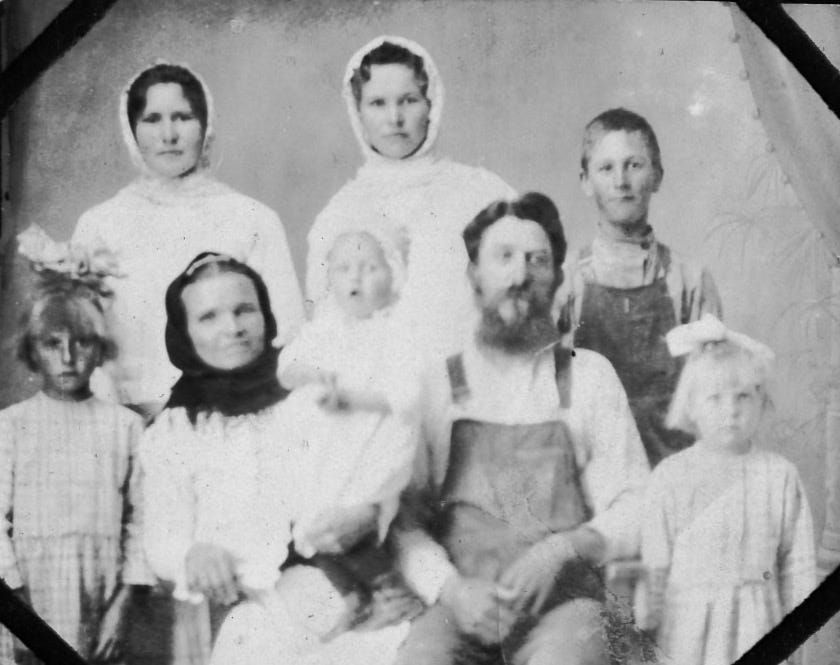
The Molokans stayed for decades. Many eventually returned to Russia after the revolution, or migrated north to California. A small number of descendants remain in the valley today. What they left behind was agricultural infrastructure: irrigation channels, cleared land, cultivation practices that later winemakers would build on.
Between the Molokans’ arrival and the 1980s, Valle de Guadalupe was quiet. A few large industrial producers made bulk wine, like L.A. Cetto and Pedro Domecq, most of it low-quality, most of it consumed within Mexico. American wine drinkers had no reason to notice. Neither did most Mexican wine drinkers. Mexico was, as the winemaker Ray Magnussen once put it, a country of beer and tequila.
The revolution that would change that started, quietly, in the mid-1980s.
The Modern Founders
In 1987, a small group of Mexican investors led by Dr. Hans Backhoff established Monte Xanic, described by wine writer Christopher Barnes in Grape Collective as Mexico’s first artisanal winery. That’s the founding moment of modern Baja wine. Monte Xanic proved that Valle de Guadalupe could produce wines that competed on quality, not just quantity, and that a Mexican audience would pay for that quality.
A year later, in 1988, a Bordeaux-trained Mexican winemaker named Hugo D’Acosta arrived at Bodegas de Santo Tomás. D’Acosta had earned a doctorate at the University of Montpellier and worked in Bordeaux. He brought European technique to Mexican terroir. In 1997, he founded his own winery, Casa de Piedra. Over the next two decades, he trained and mentored much of Valle de Guadalupe’s next generation. Nearly every serious winemaker working in the valley today has a Hugo D’Acosta connection.
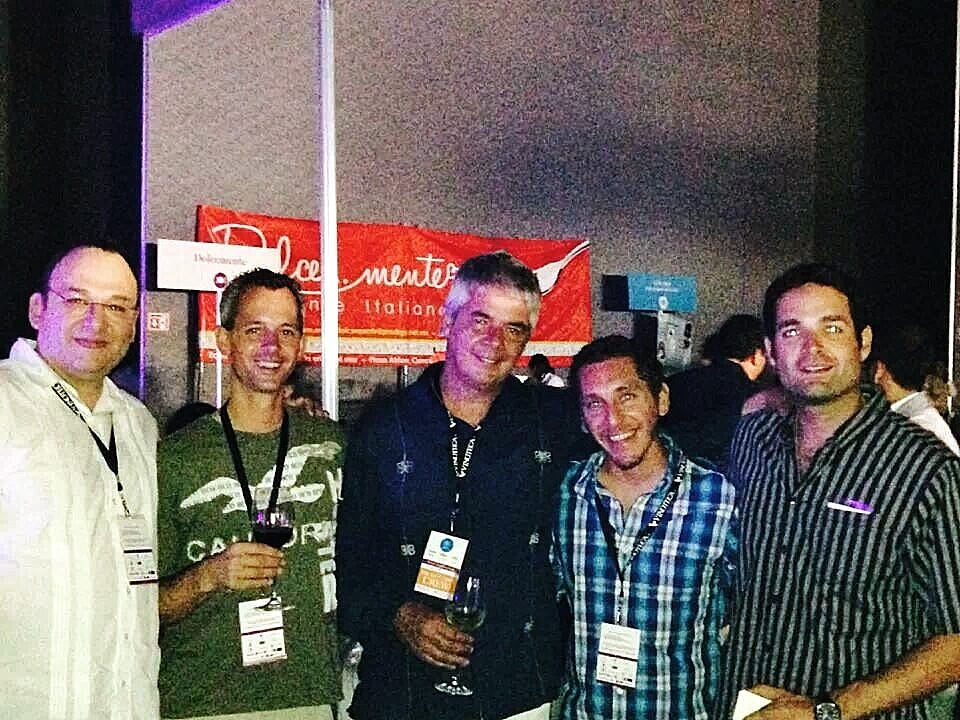
Every mature wine region has a figure like this. In Napa, it was André Tchelistcheff. The Russian-born, French-trained winemaker who arrived at Beaulieu Vineyard in 1938 and spent the next thirty-five years defining what California Cabernet could be before his death in Napa in 1994. He mentored Robert Mondavi, Joe Heitz, Mike Grgich, Warren Winiarski, and virtually every winemaker who became a name in Napa's postwar rise. Valle de Guadalupe has its Hugo D'Acosta. Napa had Tchelistcheff. The pattern of a single European-trained mentor shaping a generation appears wherever a wine region turns serious.
Around the same time, other founders were arriving. Camillo Magoni, an Italian immigrant, began making wine in Valle de Guadalupe more than fifty years ago at Bodegas Magoni, bottled under the Casa Magoni label. He experiments with over one hundred grape varieties. Wine director Jill Gubesch at Rick Bayless’s Chicago restaurant group calls him “the OG of Valle.”
Natalia Badan grew up at Rancho El Mogor, the vineyard and organic farm her Swiss-French parents founded in the valley. She became one of the founding voices of Mexican winemaking as a serious agricultural pursuit. Tru Miller at Adobe Guadalupe. Phil Gregory at Vena Cava. Paolo Paoloni, an Italian who championed Nebbiolo as Baja’s signature grape. Ray Magnussen at Vinos Lechuza, who planted his first vines in 2005 and produced only 300 cases for years before his death in 2017.
By the early 2000s, Valle de Guadalupe had roughly fifteen wineries. Most were small hobby operations producing five thousand cases or fewer. But the DNA of a serious wine region was in place: European-trained winemakers, boutique production scale and no rigid appellation rules telling anyone what they could plant or blend.
The Explosion (2013–2017)
The international discovery came in stages.
In December 2013, The New York Times published a feature framing Valle de Guadalupe as a rustic paradise open for development. In 2014, Wine Enthusiast named the region one of its Top Wine Getaways of the Year. The Guardian, The Economist, and Food and Wine all followed within a few years. American food and wine media had discovered the region.
The culinary revolution happened at the same time. Chef Javier Plascencia, whose family had run restaurants in Tijuana since 1969, championed a movement called Baja Med: Baja Californian ingredients combined with Mediterranean and Asian techniques. Plascencia became the region’s global culinary ambassador. Behind him came a wave of chefs: Drew Deckman at Deckman’s en El Mogor, Diego Hernandez at Corazón de Tierra, David Castro Hussong at Fauna, Sheyla Alvarado at Lunario, Alfredo Villanueva at Villa Torél.
Between 2013 and 2017, Valle de Guadalupe went from a boutique wine region with about fifteen wineries to an internationally covered wine-and-food destination with over one hundred and fifty producers. It now produces more than seventy percent of Mexico’s wine.
The Current Generation
The most striking pattern in the current Valle de Guadalupe leadership is how many of the winemakers are women.
Lulú Martínez Ojeda spent a decade at Château Brane-Cantenac in Margaux, one of Bordeaux’s blue-chip estates, before returning to the Valle in 2014. Her portfolio includes work at Bruma, Palafox, and formerly at Bodegas Henri Lurton. She trained in one of the most tradition-bound wine regions in the world and returned to make wine in one of the least tradition-bound. That contrast defines her voice: “Bordeaux is so important, so magical, but also static somehow. Here, we have no hereditary weight, no burdens of history.”
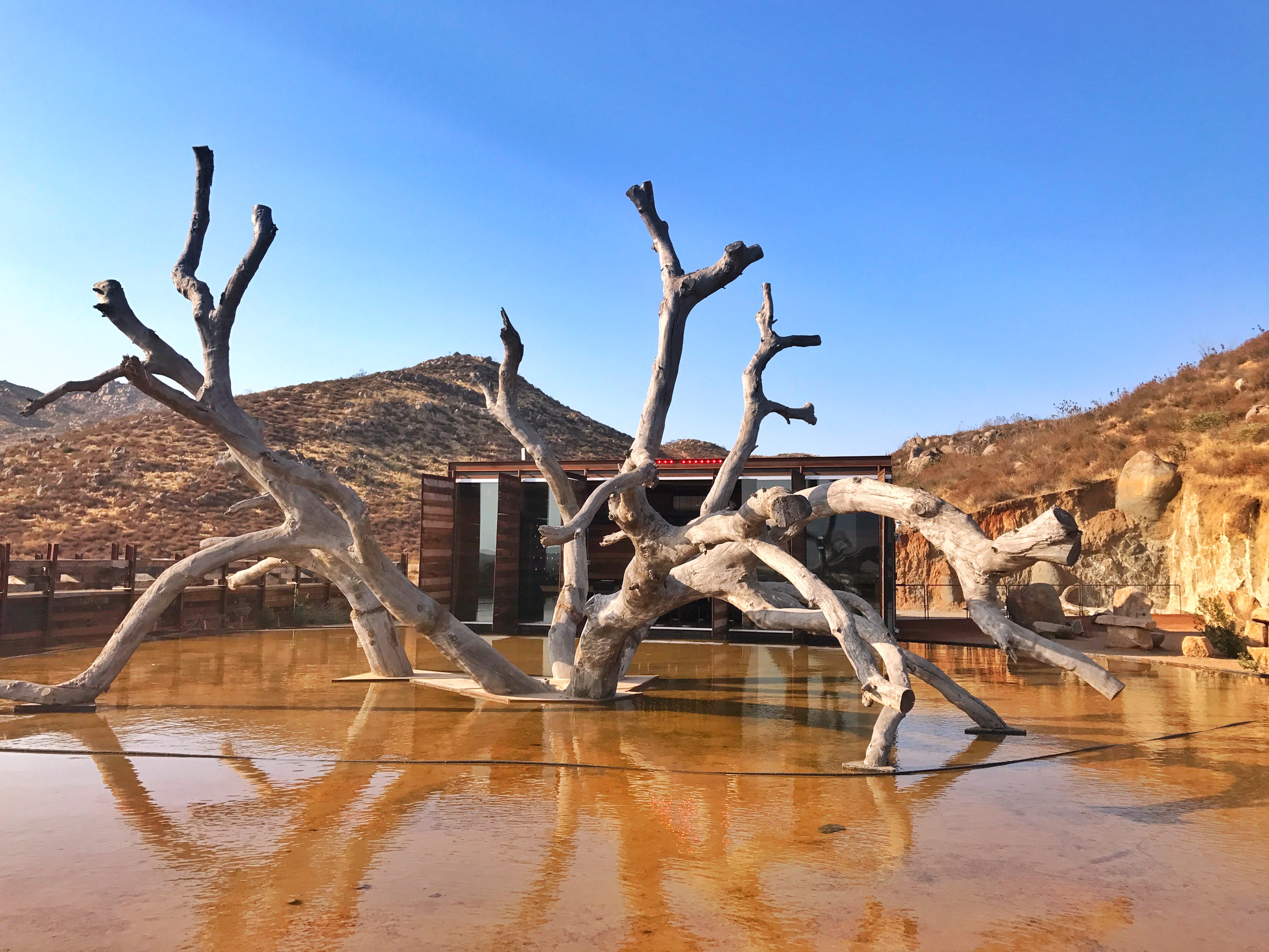
Verónica Santiago, a former dancer who studied enology in Australia, runs Mina Penélope, a tiny biodynamic operation producing 2,000 cases a year. She uses water canals to capture and redirect rainfall, rebuilds her soil through composting, and does everything manually. Her Aglianico méthode champenoise sparkling wine, an obscure Southern Italian grape treated with a French technique, is exactly the kind of unorthodox blending only Valle de Guadalupe permits.
Silvana Pijoan, the youngest daughter of Vinos Pijoan founder Pau Pijoan, is making natural wines alongside her father’s more conservative bottlings. Her 2023 Vino Pelón is a field blend of Syrah, Grenache, Muscatel, and the Mission grape. The same Mission grape that Cortés’ men planted in the 1520s, that traveled from Mexico north to San Diego in 1769, that built the Cucamonga Valley and the City of Vines. It’s being used, right now, in Valle de Guadalupe, by a young winemaker making natural wine for a new audience.
That’s the full circle of the series in one bottle.
Natalia Badan, still active, has been called the grand dame of Mexican winemaking. She and her generation, she says, “were a bunch of visionaries with our own dream of creating Mexican wine here. There was so much solidarity. It was a beautiful moment.”
What They're Actually Making
Wine Enthusiast has been profiling Valle de Guadalupe producers for over a decade. The ratings tell a specific story. The region’s wines score consistently in the 82-to-91 point range, with many earning “Best Buy” designations, the marker for wines that overdeliver at their price point.
The standouts are worth naming. Santos Brujos’ 2013 Tempranillo earned 91 points, a Spanish variety at Spanish quality level, produced south of the border. Quinta Monasterio’s 2020 Cabernet-Merlot earned 90 points. Monte Xanic’s 2020 Selección Red earned 90 points; Monte Xanic remains the most internationally recognized producer and has been consistently featured in wine media for nearly forty years.
The scores are not what makes Baja significant. Napa produces dozens of 95-point wines. Sonoma produces hundreds. Even Temecula, as I documented in Part Six, has more high-scoring wines by a wide margin: multiple 93s and 94s from Renzoni, Lorenzi Estate, Falkner, and others.
What Baja has is something different. A growing body of wines earning legitimate international recognition at price points ranging from $20 to $60 for the artisanal producers. A regional identity built on sustainability, experimentation, and terroir expression rather than premium branding. And a striking varietal profile.
The Baja portfolio doesn’t look like Napa’s or Bordeaux’s. Nebbiolo, the Italian variety that Paolo Paoloni argues is Baja’s signature grape, appears across multiple producers. Aglianico, Sagrantino, Vermentino, and other Italian varieties are being planted. Tempranillo, Grenache, Mourvèdre, and other Iberian and Rhône varieties dominate the higher-scoring wines. Chenin Blanc, Sauvignon Blanc, and Chardonnay carry the white portfolio. And the Mission grape is quietly returning.
The pattern is the same one I traced in Part Six for Temecula: warm Mediterranean climate, Italian and Iberian varieties, boundary-pushing winemaking. Two wine regions, separated by a border, following the same viticultural logic. Both regions understood the climate reality long before Bordeaux authorized Touriga Nacional or Napa’s Larkmead planted Aglianico.
Only one of them got the recognition.
Michelin Came to Baja
The clearest evidence of what Valle de Guadalupe has become is the restaurant scene it has built.
Animalón, Javier Plascencia’s fine-dining experience under a centuries-old oak tree, holds a Michelin star for its six- and nine-course tasting menus.
Conchas de Piedra, Drew Deckman’s shellfish-forward restaurant on the grounds of Casa de Piedra winery, holds a Michelin star and a Green Star for sustainability.
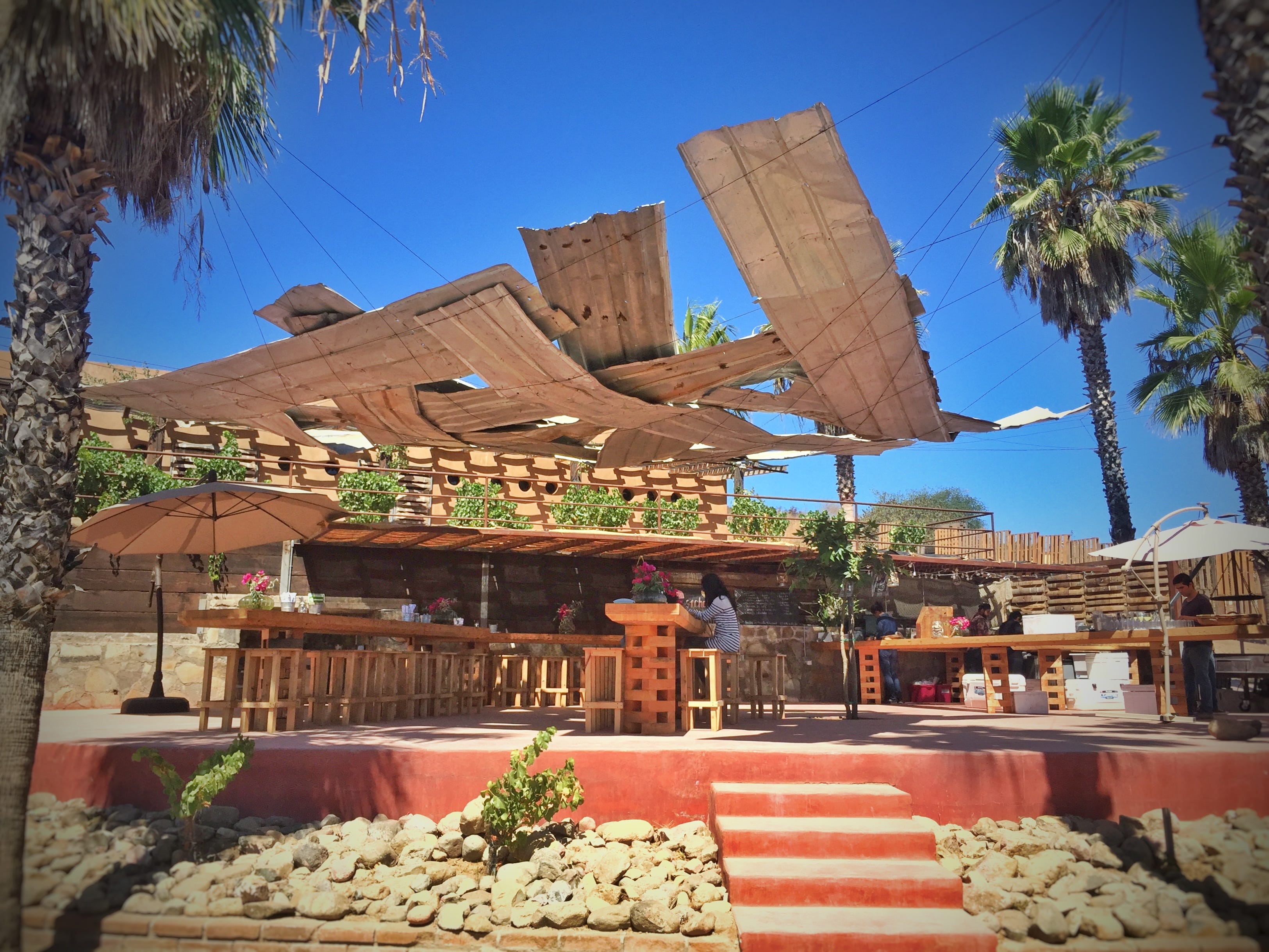
Lunario, Sheyla Alvarado’s minimalist stone-and-wood restaurant on the Lomita winery property, holds a Michelin Green Star and won the Sustainable Restaurant Award at Latin America’s 50 Best Restaurants in 2024.
Damiana, chef Esteban Luis’s contemporary Mexican restaurant, holds a Michelin star.
Olivea Farm to Table holds both a Michelin star and a Green Star.
Fauna, David Castro Hussong’s experimental campfire-cuisine restaurant, currently sits at number seventeen on Latin America’s 50 Best Restaurants. Castro Hussong trained at Eleven Madison Park, Noma, and Blue Hill before returning to his hometown of Ensenada.
La Cocina de Doña Esthela and Villa Torél hold Michelin Bib Gourmand distinctions.
That’s a serious cluster in a small valley. Napa and Sonoma have significant Michelin recognition themselves: The French Laundry, SingleThread, and others, reflecting decades of investment in wine-country dining. But those regions had a fifty-year head start.
Southern California's wine regions have no equivalent. Los Angeles has excellent Michelin-starred restaurants: Providence, n/naka, and others. San Diego County has Lilo in Carlsbad. But none of them are tied to a Southern California wine region. Temecula, with all its 91-to-94 point wines, its 150 wineries, its resort infrastructure, and its proximity to the largest population center on the West Coast, has zero Michelin-starred restaurants tied to its wine country. Neither does Cucamonga, nor Coachella. Southern California has Michelin stars. Its wine country doesn't.
American wine media took notice of Baja before Southern California’s own wine writers took notice of what was in their own backyard. In May 2023, Wine Enthusiast published a feature by Caroline Hatchett titled “The U.S. Chefs and Restaurateurs Embracing Mexican Wine.” At that point, The French Laundry, Thomas Keller’s Napa flagship restaurant, carried fourteen Baja wines on its 2,500-label list. Head sommelier Erik Johnson told Hatchett: “How cool is it that you can go from the tasting rooms at Opus and Harlan and then try something you haven’t had before, a wine from Mexico? A $150 bottle blows you away.” Rick Bayless’s restaurants in Chicago were pouring up to forty-eight Mexican selections. Cosme in New York was making a house red in collaboration with Vena Cava’s Phil Gregory. La Contenta in New York was pouring only Mexican wine.
The Baja wines have since been rotated off the current French Laundry list. Wine lists move. But the historical fact that Keller’s operation stocked fourteen Mexican bottles alongside benchmark producers from around the world is its own marker of where the wine world’s attention was turning.
What Baja Chose That Temecula Didn't
Here is the comparison.
If you rank the top Wine Enthusiast scores between Valle de Guadalupe and Temecula, Temecula wins. Lorenzi Estate’s 94-point Hillside Cabernet, Renzoni’s 94-point Federico Red Blend, Leoness’s 94-point Signature Series Syrah. These outscore Baja’s top-rated wines. The best of Temecula is technically better than the best of Baja on a hundred-point scale.
And yet Baja is the region wine media covers, that chefs travel to, that Michelin has recognized, that international press has profiled from The New York Times to Afar Magazine to The Economist. Temecula is the region that gets described in San Diego travel guides.
The difference isn’t quality. It’s strategy.
Baja committed to being taken seriously as a wine and food region. Bordeaux-trained winemakers returned home to Baja. Boutique production was preserved over scale. Chefs with international training built restaurants that centered local ingredients and local wine. Sustainability became the regional identity. Michelin showed up. Wine press and global recognition followed.
Temecula, particularly after the Pierce’s disease crisis of 1997 to 2000, chose a different strategy. When the industry rebuilt, it rebuilt around hospitality. Big tasting rooms. Wedding venues. Bus routes from San Diego and Orange County. Event spaces. Concert stages. The serious winemaking that did emerge, and it did, at Falkner, Renzoni, Lorenzi and Palumbo, happened around the edges of a tourism economy that was oriented toward volume and accessibility, not international recognition.
Both strategies are legitimate. Both regions have their own audiences. But the outcomes are different. The outcomes were chosen.
The Border as Filter
There’s one more variable worth naming.
Reaching Valle de Guadalupe requires crossing an international border. That single fact reshapes the audience. American visitors who make the drive are self-selecting. They’ve decided the trip is worth the passport, the wait at the crossing, the drive on famously rough roads. They arrive intending to take the region seriously. They’re not there for a Saturday afternoon.
Temecula requires no such filter. It’s two hours from Los Angeles, an hour from San Diego, ninety minutes from Orange County. It absorbs the full range of Southern California’s tourism demand: bachelorette parties, wine bus tours, birthday groups, casual day-trippers looking for a good time. Some of those visitors care about wine. Many don’t. The regional identity has to accommodate all of them.
Chef David Castro Hussong at Fauna told Afar Magazine of American wine regions: “They can be a little . . . over-structured . . . boring?” He was speaking as someone who chose to work in a region without appellation rules, without codified varietals, without expectations. Baja’s freedom to experiment produced Baja Med cuisine, obscure Italian varieties in the ground, Aglianico sparkling wine, natural wines made from the Mission grape.
Temecula operates within the standard California AVA framework and the expectations that come with it. That framework has produced some genuinely excellent wine. It has not produced Michelin-starred restaurants yet.
Neither approach is wrong. But they produce different regions.
The Cross-Border Reality
Roberto Alcocer operates Malva at Mina Penélope in Valle de Guadalupe. He also operates Valle, a Michelin-starred restaurant in Oceanside, California. He’s a chef with restaurants on both sides of the border, using ingredients and wines from Baja in Southern California and vice versa. What Alcocer’s career suggests is that the border, for wine and food, is more porous than the immigration system implies. Baja and Southern California share a climate, a viticultural heritage that both trace back to the Mission grape, and a shared culinary geography.
Casa Madero was founded four hundred and twenty-nine years ago. The Mission grape has been in the Americas for five hundred years. When we tell the story of American wine, we have started that story too far north and too late. It began in Mexico. It came north through California. And it is now doubling back. A young winemaker in Valle de Guadalupe is using the same grape variety her ancestors carried across an ocean, making natural wine for a new generation, in a valley that Michelin has decided to recognize.
Southern California should be paying attention.
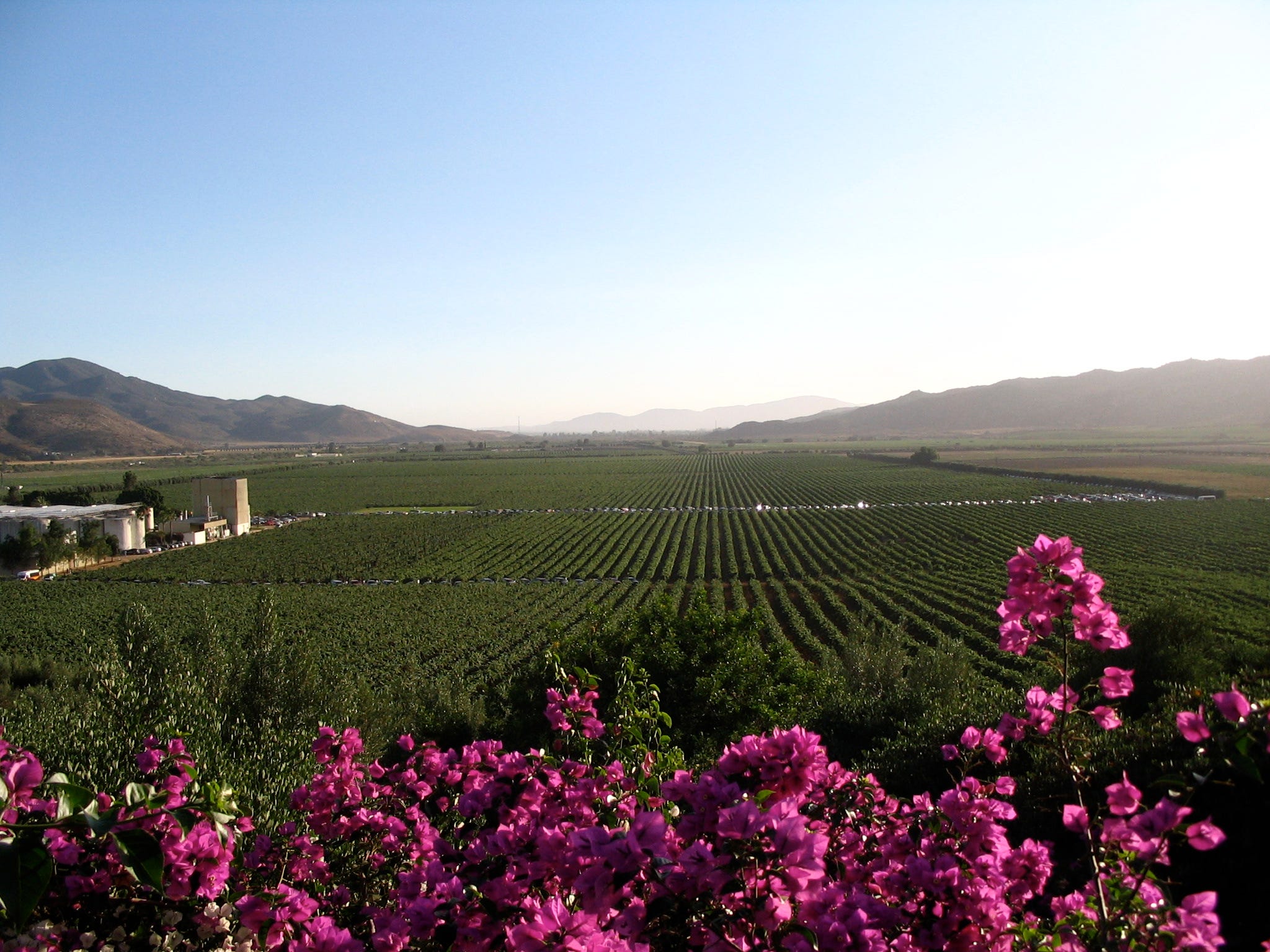

Have you been to Valle de Guadalupe? What surprised you? Which producer or which restaurant made you understand that this isn’t Napa South —it’s something older, and stranger, and more interesting? Tell me your version.
— Jennifer
Sources
This post draws on the following journalism and archival material:
Barnes, Christopher. “Valle de Guadalupe.” Grape Collective, April 2015.
Cave, Damien. “A Rustic Paradise Open for Development.” The New York Times, December 2013.
Hatchett, Caroline. “The U.S. Chefs and Restaurateurs Embracing Mexican Wine.” Wine Enthusiast, updated May 5, 2023.
von Bremzen, Anya. “This Is Mexico’s Most Exciting Wine and Food Region.” Afar Magazine, 2025.
“Casa Madero: The Oldest Winery in the Americas.” Big Hammer Wines, 2020.
Bodegas de Santo Tomás." Wine with Seth.
“The Russians in Mexico.” San Diego Free Press, May 2015.
“Javier Plascencia.” Baja Bound.
Michelin Guide Baja California, 2024-2025.
Wine Enthusiast Valle de Guadalupe ratings database.
257 Years is a series on the history of wine in Southern California.
Part One introduced the family thread that started it all. Part Two traced the Mission grape from Spain to San Diego in 1769. Part Three traced Los Angeles as the original wine capital. Part Four traced the freeway era in Cucamonga. Part Five traced the long silence of Prohibition and the postwar erasure of Los Angeles wine. Part Six examined Temecula's fifty-year fight for recognition. This is Part Seven.
Part Eight, The Desert Wakes Up: the Coachella Valley, the South Coast AVA, and Southern California's high-desert wine regions.
From the series:
Part One → 257 Years: How Southern California Lost and Found Its Wine
Part Two → Before Napa, There Was a Boat Leaving Spain
Part Three → Before Napa, Los Angeles Was the Wine Capital
Part Four → What the Freeway Buried: The Pride of Cucamonga
Part Five → The Long Silence: Thirteen Dry Years, and the Thirty-Two That Followed
Part Six → Temecula is Fighting

I’m Jennifer Ann Blair. I write about food, wine, memory, and place, following stories that deserve a closer look. I hold WSET Level 3 with Merit and write from the California desert, usually with Archie, my German Shepherd, somewhere nearby.
If this made you curious, surprised you, or brought something back, tap the heart, leave a note, or send it to someone who might want to pull up a chair too.