

Four Words
On a full plate, a lounge chair in Hawaii, and a search bar that sent me all the way back to 1769.


Jennifer Ann Blair writes. Food, wine, a German Shepherd named Archie, and whatever the day brings.
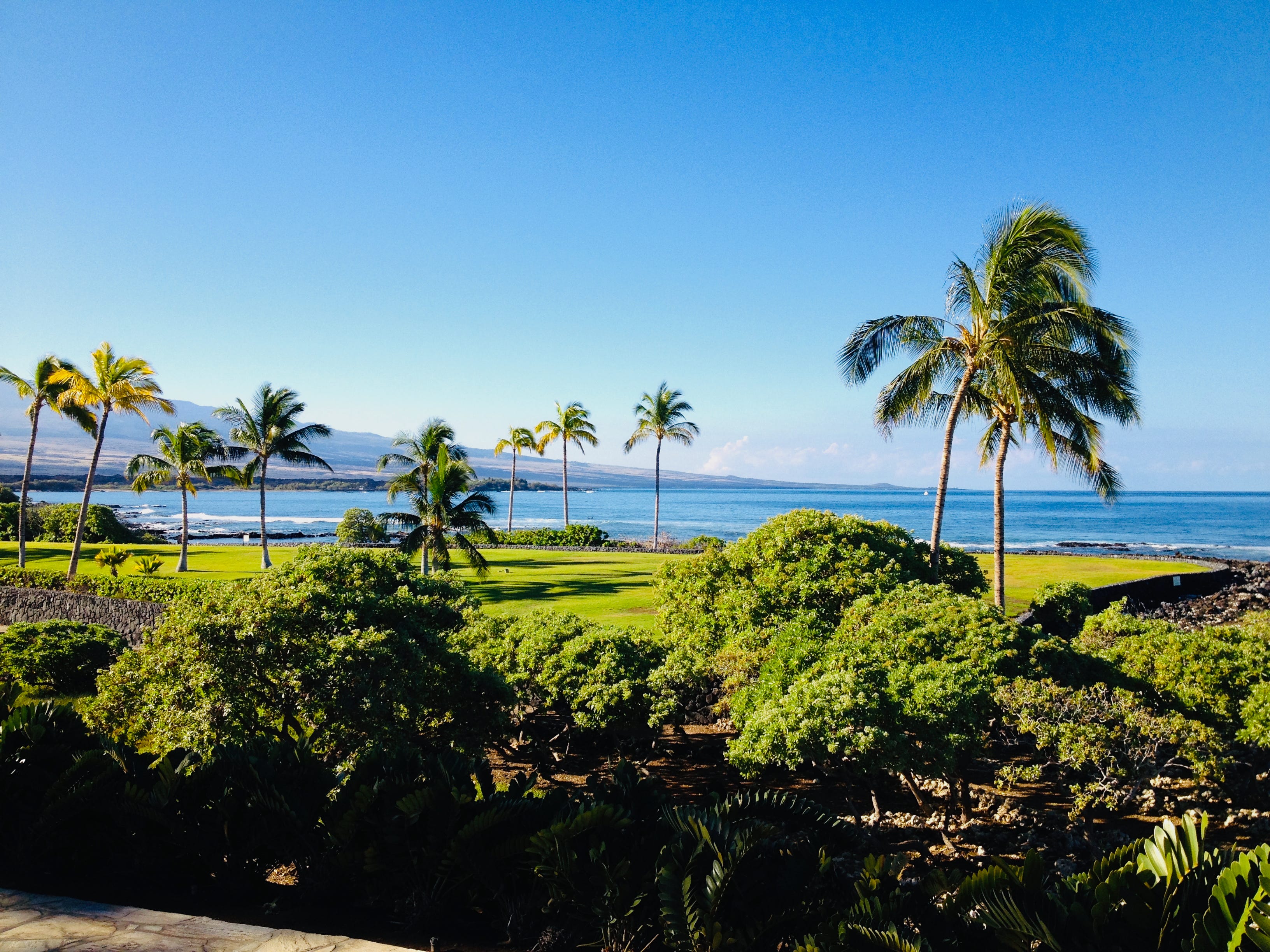
A lounge chair on a beach in Hawaii is calling my name.
I grew up in Huntington Beach. I was at the ocean a lot as a kid. It was less congested then, fewer people, more renowned surfers walking the street, waxing their boards. Cowabunga. It’s easy to get pulled toward a place you remember happily, toward the freedom we had as children, and I’ve felt that same pull every time I’ve visited Hawaii. There’s something about the soft, white sparkling waves hitting the sand, over and over, that your brain reaches for when it’s running on empty. A pool will do the trick in a pinch, but it’s just not the same.
I’m not in Hawaii. I’m here, at my desk, in the desert, where it’s April and the to-do list has a to-do list.
Today the weather is beautiful. Sunshiny, not too hot, a breeze coming through. What’s happening is that I see water everywhere. Not physically. But in my mind, and in my soul. My brain is heavy. I’m ticking off the to-dos. Taxes are in the middle of all of it, family visitors hitting the tarmac soon, and work keeps arriving whether I’m ready or not. The lounge chair is not a failure of ambition. It’s the body knowing it needs a break. I’ll get there. Probably not this week.
This is the Busy Bee week. You know this week. The one where the plate isn’t just full. It’s over full, tipping, and somehow more keeps arriving. Where you are both exhausted and wired at the same time, running on curiosity, caffeine, and the stubbornness of someone who hasn’t figured out how to stop yet.
This week, I also did something small that cracked something open.
I typed four words into a search bar. First grape planted California. I was expecting Napa. The familiar story. The wine country we all know, the rolling hills, the tasting rooms, the legend.
What came back instead was 1769.
I knew there were vines along the highway from San Diego up through Cucamonga. But when it seems like a myth given current times, the freeways and the sprawl and the housing tracts, it’s hard to believe it was ever that real, that overpowering, that Southern California once held the weight of all the wine in California. I hear people whisper it, tell pieces of the story, mention Mexico, but in 2026, it’s hard to believe it. I was born here. My parents loved wine tasting. But the topic never came up, or if it did, I don’t recall it.
When my mom and I visited Santa Fe, we took in everything the mission had to share — the stories, the history, the people. Including the Spanish friar Junipero Serra, who founded nine missions in California, spreading Christianity and Spanish culture. He brought vine cuttings with him then. But the vines didn't come straight from Spain. They'd been in Mexico for 250 years, carried there from the Canary Islands, passed through generations of friars and laborers before Junípero Serra's expedition carried the cuttings north into California. The first mission vineyard: San Diego, 1769. The second: not far behind.
When you go back this far, to 1769, you’re going to find good things and bad things. What happened in the past is not something to be proud of, including the evangelizing of Native Americans under the mission system, the forced labor that built those vineyards, and the people whose work made it possible. But what he did was plant, whether for sacrament, shade, or beauty. The vines made it to California. And some of them are still here.
From those first plantings, a wine industry spread through California’s conquest, the missions, the gold rush, a population boom, Pierce’s Disease, and Prohibition. Los Angeles earned a nickname most people have never heard. The City of Angels. That’s new to me.
There were eighty wineries in Cucamonga alone. Eighty. The whole thing nearly became a California wine region before development and disease, and Prohibition buried it under concrete and time.
The history is documented. The census records exist. The wineries have names, addresses, and license numbers. And somehow the story still got lost. Buried under freeways, overshadowed by Napa, forgotten by the very people who grew up driving past the vineyards. We are so trained to look north for California wine that we stopped looking at what was right under our feet.
I found my great-grandfather in the middle of it. His name was Thomas James Tatton. He was a carpenter. In 1942, he listed his employer on a government form as the Padre Vineyard Company, Cucamonga, California.
I’ve been a little undone by that ever since.
The thing you didn’t know was there, waiting in a search result, a census record, a conversation you almost didn’t have. Discovery doesn’t always arrive when you have time for it. Sometimes it arrives in the middle of tax season, when your plate is already too full, and it sits down anyway, refusing to leave.
That’s the good kind of overwhelm. The kind worth being tired for.
Next Time
I went looking for my great-grandfather and found a wine industry nobody talks about anymore. The story starts in 1769, right here.
Before You Go
I’m at the table. Write back. I read every one.
If this landed, tap the heart. It helps more people find the table.
Jennifer Ann Blair writes about what’s worth remembering — a recipe, a person, a name found in a government form.
SHOCKED at the role Rancho Cucamonga played in the wine trade! Thanks for the history lesson.
Great stories this week. What a surprise to find your grandpa part of the wine history maybe that’s where you got your love for wine from
Keep tracking down the paths and you may find more wonderful surprises